

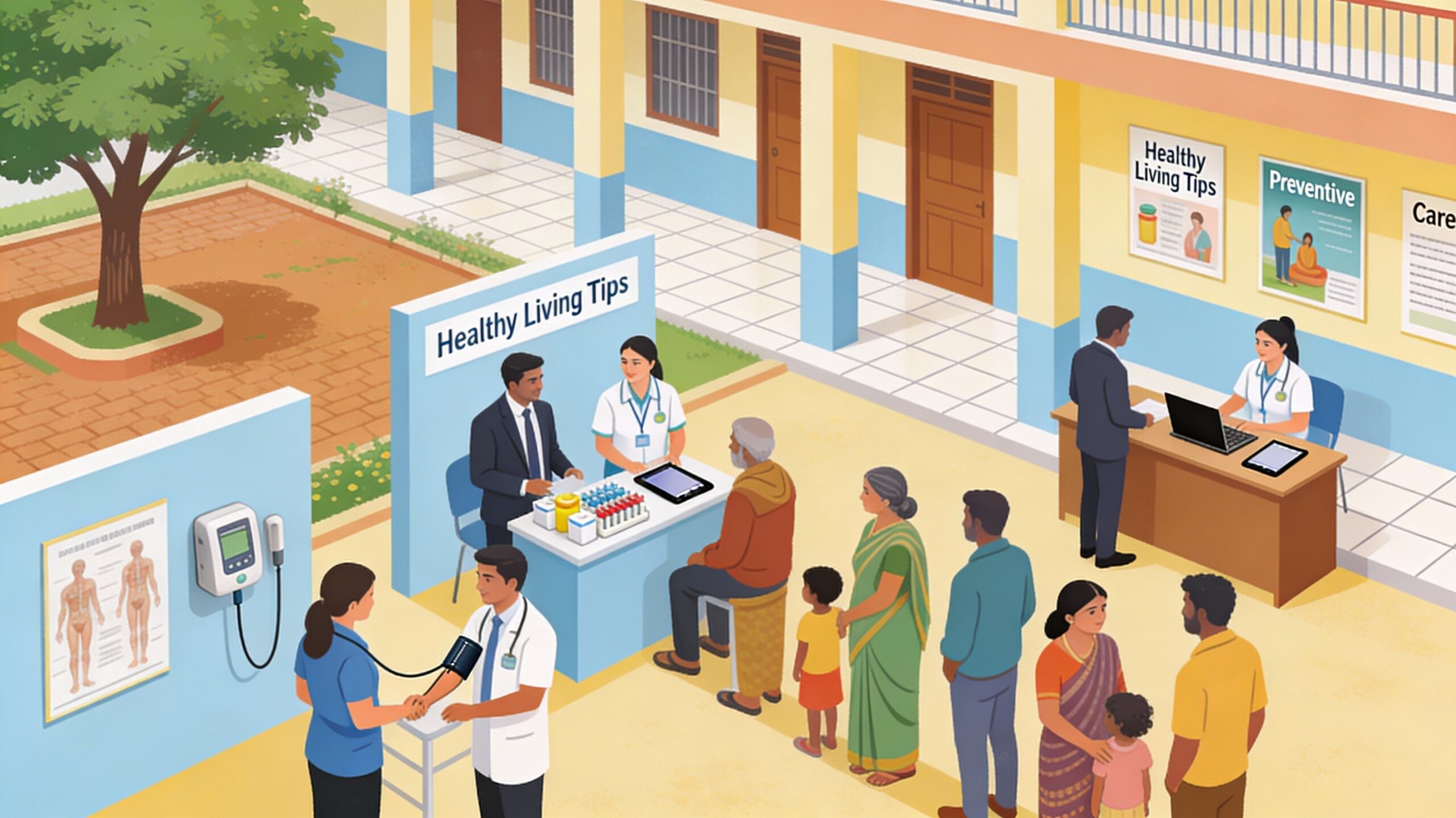
Corporate CSR in health is moving from one-off camps and cheque-writing to long-term partnerships that strengthen community health systems and employee wellbeing. For NGOs, this creates a rich opportunity to design employee engagement where corporate teams contribute time, skills, and empathy to improve real health outcomes, not just event counts.
Why health-focused CSR needs thoughtful engagement
Health is deeply personal, and poorly designed CSR activities can feel tokenistic or even unsafe for communities. Thoughtful engagement respects medical ethics, centres community needs, and uses employees’ strengths in communication, logistics, technology, and behaviour change support.
- Companies increasingly see employee volunteering in health as a way to connect business purpose with SDG 3 (Good Health and Well-being).
- NGOs that can blend field engagement, awareness, and skills-based projects are better positioned as strategic partners, not just “camp organisers”.
Community-facing health engagement activities
- Preventive health and screening camps
Well-designed camps remain a powerful CSR tool when focused on prevention and follow-up, not just one-day events.
- NGOs can organise camps for NCD screening (BP, diabetes, anaemia), maternal and child health, eye and dental checks, or occupational health for informal workers.
- Employees support registration, crowd management, IEC materials, feedback collection, and logistics, while qualified medical staff handle all clinical tasks.
- Health awareness sessions and behaviour-change workshops
Employees are strong amplifiers when they help translate health messages into simple, relatable language.
- Design interactive sessions on nutrition, hygiene, menstrual health, mental health, or disease prevention for school students, self-help groups, or workers.
- Use games, role-plays, and storytelling kits; employees can co-facilitate under NGO guidance, keeping technical content vetted by health experts.
- Thematic campaigns and health days
CSR-linked observance days (World Health Day, World Diabetes Day, Mental Health Day) are ideal entry points for year-round engagement.
- Run focused campaigns combining screenings, awareness, and pledges—for example, “30 days of movement”, “sugar-smart month”, or “stress check-in month”.
- Employees can lead local events, social media challenges, and internal communication pieces that connect their workplace to the NGO’s community programmes.
Skills-based volunteering in health CSR
- Telehealth, helpline, and digital support
Many health NGOs now use telemedicine or helplines for counselling and follow-up. Corporate employees can strengthen these systems even if they are not clinicians.
- Tech teams can improve user interfaces, integrate chatbots, or enhance data security and workflow automation for telehealth platforms.
- Volunteers with communication skills can help refine scripts, FAQs, or multi-language content, under supervision of medical professionals.
- Data, dashboards, and impact measurement
Health programmes generate large datasets that are often under-analysed. Skills-based volunteering can turn this data into insight.
- Employees with analytics, IT, or product skills can help NGOs clean data, design dashboards (for screenings, referrals, adherence), and define simple KPIs.
- Better measurement supports both community decision-making and CSR/ESG reporting for the corporate partner.
- Content, design, and digital behaviour-change
In health, the way information is presented can decide whether people act on it.
- Corporate designers and marketers can co-create IEC materials, short videos, infographics, and WhatsApp content in local languages.
- Employees can help test digital journeys (SMS/WhatsApp nudges, reminder flows) to improve attendance at follow-up visits or adherence to treatment.
Workplace health and employee wellbeing
CSR in health is also a chance to align community initiatives with employees’ own wellbeing.
- Joint wellness and learning journeys
Design programmes where employees improve their own health while supporting communities.
- Parallel challenges—like step-count contests, healthy eating campaigns, or mental health check-ins—can be linked to community outcomes (e.g., every collective milestone funds a set of screenings).
- NGOs can provide expert sessions, toolkits, and real stories from the field, making employee wellness feel connected to larger societal health goals.
- Employee health ambassadors and peer educators
Some corporates are building in-house ambassadors for health and wellbeing. NGOs can train and mentor these champions.
- Train selected employees as peer educators on topics such as NCD prevention, mental health first aid, or basic ergonomics.
- These ambassadors can then co-facilitate internal and external sessions, extending the reach of the NGO’s health curriculum.
Designing effective health engagement as an NGO
To turn ideas into robust CSR partnerships, NGOs need to design with safety, ethics, and impact in mind.
- Prioritise ethics and safety
- Ensure licensed medical professionals handle all diagnosis, prescriptions, and procedures; volunteers focus on support functions.
- Put in place consent processes, referral linkages to the public health system, and clear data privacy norms for community information.
- Co-create clear outcomes and metrics
- Define KPIs such as people screened, referrals completed, adherence improved, knowledge scores, and satisfaction levels.
- Track employee metrics too: volunteer hours, repeat participation, skills used, and feedback on meaning and learning.
- Offer an annual engagement calendar
- Move beyond isolated camps to a calendar that includes quarterly camps, ongoing awareness interventions, skills-based projects, and internal wellness linkages.
- Present this as a multi-year roadmap so CSR and HR teams see continuity, scalability, and alignment with their broader health and ESG strategies.
When NGOs design health-themed employee engagement with this depth, CSR programmes can shift from transactional camps to sustained, integrated efforts that improve both community health outcomes and employee purpose at work.
Written by Deb who is a social impact worker and part of letzrise team and stays in Bengaluru.