

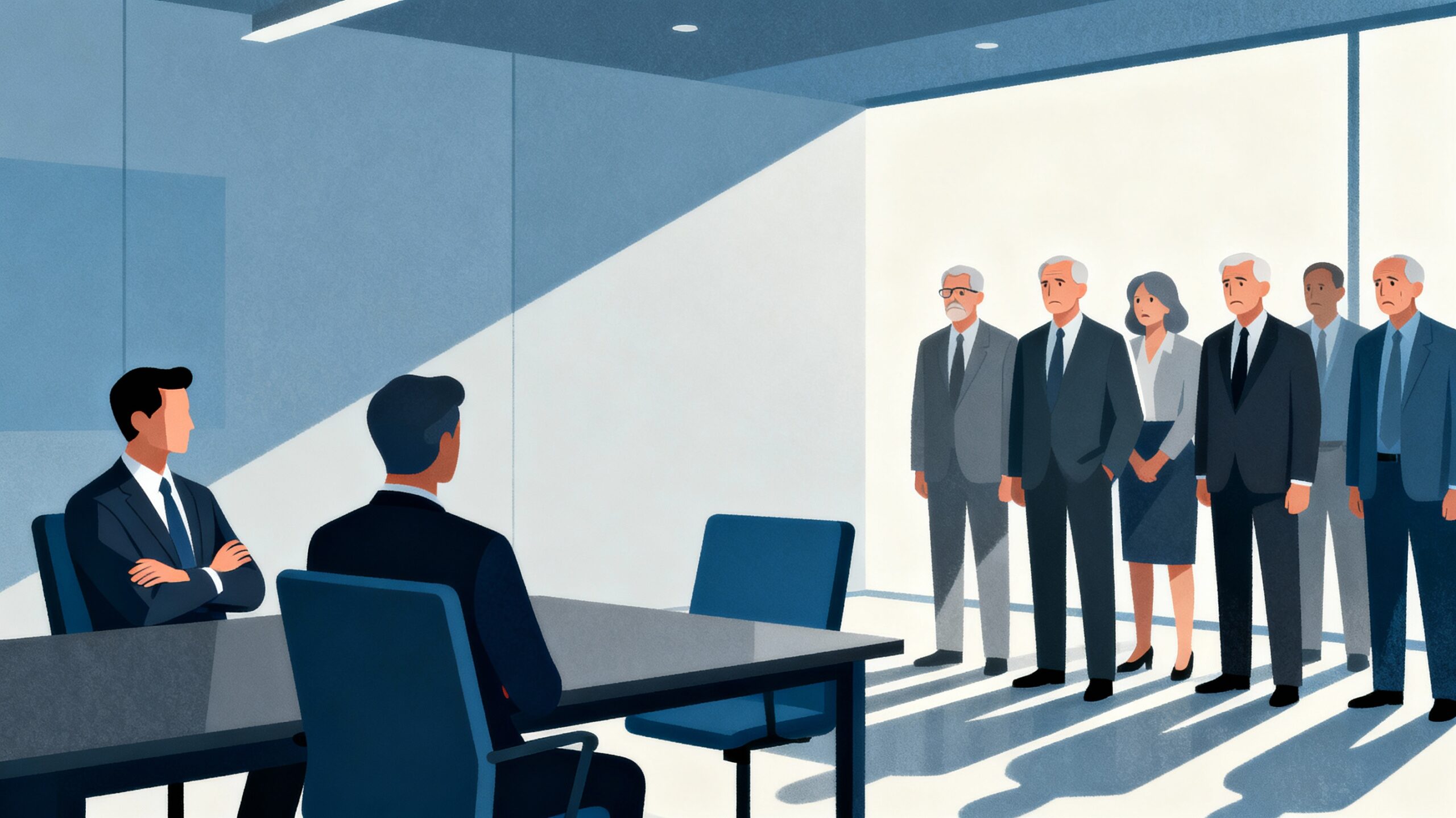
Healthy leadership is usually invisible; the organisation just feels stable and focused. When internal conflict erupts at the top, that stability takes a direct hit, and everyone quietly asks the same question: “How are we going to respond to this without breaking the organisation?”
Why Letzrise is entering this space
At Letzrise, the intent is to design a training module specifically for Boards, CEOs, and senior management teams on how to handle conflicts well. This means going beyond generic “communication skills” and really understanding what happens when relationships at the top start to crack. The training needs to name the hard stuff: power, ego, fear, role confusion, and the very real impact on culture, performance, and organisational sustainability.
In any organisation, a healthy leadership culture is one of the strongest predictors of business stability and long‑term impact. Research consistently shows that when leadership conflict is managed constructively, it reduces turnover, protects productivity, and even improves adaptability; when it is mismanaged or avoided, it corrodes trust, slows decisions, and can quietly derail strategy.
When a “stable business” is shaken from within
What makes leadership conflict so dangerous is that it rarely starts with a public explosion. It shows up as subtle tension between CEO and Board, power struggles inside the senior team, or growing mistrust between CEO and staff, long before it becomes visible in numbers. From the outside, the business can look stable—targets met, programmes running—while inside, time and emotional energy are being drained into side conversations, faction‑building, and silent disengagement.
For boards and senior leaders, this is exactly the moment where response matters most. Do they pretend nothing is wrong “for the sake of stability”, or do they slow down, name the conflict, and move it into a structured, fair process? Done well, conflict resolution at this stage can strengthen the system and clarify roles and expectations going forward.
Talking about the elephant in the room
What this blog tries to name is not easy to discuss openly. Leadership conflict—especially when it involves the CEO, the Board, or the senior team—is the classic elephant in the room: everyone feels its weight, but very few know how to bring it into the conversation without risking backlash. Signs of this “elephant” include parking‑lot conversations, tense silences in meetings, people carefully choosing sides, and a growing gap between what is said in the room and what is felt outside it.
Designing a responsible training module means helping Boards and executives learn how to talk about that elephant with honesty and care rather than denial or blame. It means normalising the idea that conflict at the top is not a moral failure but a leadership responsibility—and giving people frameworks and scripts to turn undiscussable tensions into shared work
Senior management sits in the most uncomfortable yet powerful place when conflict breaks out at the top. Whether the clash is between the CEO and Board, the CEO and senior leadership team, or the CEO and staff, how the “middle” responds can either protect the mission or deepen the fracture.
The three arenas of CEO conflict
In most organisations, serious leadership conflict tends to appear in three predictable arenas.
- CEO vs Board: disagreements on vision, performance, ethics, or how much control the Board should exert.
- CEO vs Senior Management Team: clashes around strategy, leadership style, decision‑making, or power.
A third, often more dangerous arena is CEO vs Staff, where day‑to‑day culture, trust, and perceived fairness are at stake. In all three, senior managers feel pulled into camps, worried about careers, and anxious about mission drift, which makes having a clear response framework essential.
Principles for senior management in any conflict
The first discipline for senior management is to anchor loyalty in the organisation’s mission, not in individual leaders. When tensions rise, repeatedly bringing conversations back to purpose, values, and beneficiaries helps depersonalise arguments and refocus attention on impact rather than egos.
Equally important is separating facts from stories by insisting on evidence—minutes, emails, decisions taken—rather than gossip and speculation, which is a core recommendation in most conflict‑resolution research. Senior leaders also have a duty to make covert disagreements overt in safe, structured spaces (formal meetings, facilitated sessions), because leaving conflict to simmer informally in corridors or WhatsApp groups is one of the fastest paths to boardroom paralysis or toxic culture. Finally, they must guard psychological safety for staff by making it clear that no one will be punished for raising concerns respectfully, something repeatedly highlighted as a foundation of healthy teams.
When the conflict is CEO vs Board
When the CEO and Board are at odds, senior management is often courted as an ally by both sides, but the healthiest stance is to decline informal lobbying and insist that concerns go through proper governance channels. Rather than becoming messengers for private complaints, executives can support the Chair and CEO to table difficult issues in board meetings, retreats, or formal review processes where they can be minuted and addressed transparently.
Senior management also plays a crucial role in feeding the Board with complete, neutral information—clear reports, dashboards, and multiple perspectives—so trustees are not forced to rely on filtered narratives. Encouraging structured dialogue through pre‑reads, clear agendas, and facilitated strategy sessions helps the Board and CEO debate direction or performance before problems escalate into removal discussions, something many governance institutes now explicitly recommend.
When the conflict is CEO vs Senior Management Team
Conflict between the CEO and senior team often shows up as repeated patterns: last‑minute reversals, decisions made in side rooms, public blame, or unspoken competition among CXOs. A powerful move for senior managers is to name these patterns instead of attacking personalities—for example, “We keep changing direction close to launch” rather than “You are indecisive”—which aligns with best practice in constructive conflict framing.
Much friction at this level comes from ambiguous authority, so the team can collectively push for clear decision‑rights, written role charters, and agreed meeting norms that everyone, including the CEO, signs up to. When patterns are deeply entrenched or emotionally charged, bringing in an external facilitator, coach, or mediator to run offsites and structured dialogues can move the group from blame to shared commitments, a tactic many leadership advisers now encourage for high‑stakes teams.
When the conflict is CEO vs Staff
A clash between the CEO and staff, especially around behaviour, equity, or ethics, directly affects organisational culture and safety. Here, senior management must ensure there are multiple, independent ways for staff to raise concerns about the CEO—HR, an ombudsperson, a board‑level HR or ethics committee—because good governance practice warns strongly against leaving all power in one reporting line.
Instead of reflexively defending the CEO to “protect the organisation’s image”, managers should listen for patterns through exit interviews, climate surveys, and anonymous feedback, which often reveal systemic issues earlier than formal complaints. It also helps to distinguish performance or style conflicts, which can be addressed with coaching and feedback, from alleged behavioural or safeguarding violations, which require formal investigation, documentation, and direct board oversight.
A practical playbook for senior management
Across all three arenas, senior management can use a simple three‑phase playbook. Before conflict erupts, invest in basics: a clear Board–CEO compact, written decision‑rights, agreed values and behaviours, and regular feedback rhythms, all of which are cited as preventative measures in board and C‑suite conflict literature. When conflict is active, deliberately slow the pace by moving issues into the right forums, grounding discussions in data, documenting agreements, and shielding staff from pressure to “pick sides”.
After a conflict is resolved—or at least contained—take time to run a lessons‑learned review, update governance documents and norms, and communicate any changes candidly to the whole organisation to rebuild trust. In the end, conflict at the top is not a sign that an organisation has failed; it is a sign that it is alive. The real test is whether senior management acts as amplifiers of drama, or as thermostats that reset the temperature so the mission can keep moving forward.
Written by Deb who is a social impact worker and part of letzrise team and stays in Bengaluru.